Our History
Save Family Farming has its roots in Whatcom County, located in the far northwest corner of Washington state. In early 2015, dairy farmers in Whatcom County were facing threats of lawsuits from environmental lawyers and a local tribe. The false accusations against dairies by these lawyers were widely covered by “investigative reports” from Seattle media. Farmers sought communication assistance as pressures increased involving water and environmental claims.
The groups desired a unified public communication effort, and the work began. The organization aggressively challenged false accusations, developed a partnership with the local tribe to coordinate water quality improvements, and initiated public outreach on farms and environmental issues. The threatened lawsuits were ultimately not filed.

In late 2015, the What’s Upstream campaign emerged. This involved a $500,000 federal environmental grant to environmental and tribal groups, which used the funds to mount a lobbying campaign featuring the same false accusations from the same environmental attorneys. The use of these funds was illegal, as was the lobbying, but since this involved statewide issues, it was beyond the scope of Whatcom County alone to counter the campaign. At the same time, dairy farmers in Eastern Washington, who had been sued by the same attorneys and observed the response in Whatcom County, expressed a desire for a coordinated effort.
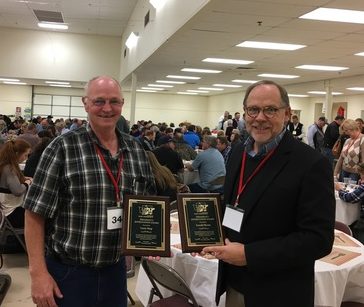
Save Family Farming was established in early 2016 with a board of directors from both Western and Eastern Washington. The public campaign exposing the misuse of the press by the EPA, environmental groups, and tribes received national attention, an apology from the national director of the EPA, major media coverage, and exposure of the illegal state lobbying. The Washington State Attorney General refused to prosecute, which was attributed to major campaign contributions from the tribes involved in the lobbying campaign. The What’s Upstream effort earned the new organization the President’s Awards for 2016 from both the Washington Farm Bureau and the Washington State Dairy Federation.

Save Family Farming became recognized for its effectiveness in public outreach using new media, including websites, social media channels, podcasts, online videos, and traditional media through guest editorials, earned media, and paid advertising. It aggressively challenged activists, lawyers, elected officials, administrative officials, and those advocating policies harmful to farmers, while working to educate urban voters through videos and a podcast called Real Food Real People.
When the EPA published a report blaming Eastern Washington dairy farmers for nitrate contamination, Save Family Farming demonstrated that the data and reports were falsified, that no peer review had been completed despite the EPA Region 10’s claims, and that the nitrate contamination predated the establishment of these dairies. The organization filed a federal lawsuit based on the nonexistent peer review under the Administrative Procedure Act. The EPA defended its action based on the statute of limitations expiring, but the nitrate report had been thoroughly discredited, making it unusable for litigation against dairies.
Save Family Farming has been actively involved in several legislative and administrative actions harmful to farmers. A 2019 bill aimed at forcing farmers to pay three years of retroactive overtime pay to farm workers was defeated, largely due to large ads placed in urban newspapers that highlighted the harm such legislation would cause farmworkers, according to lobbyists. Bills demanding large buffers for salmon habitat, which would not improve salmon returns but would remove 30% of Western Washington farmland, have been repeatedly introduced. SFF’s communication about the science and harm has helped prevent passage to date and increased support for farmers among fish advocates.
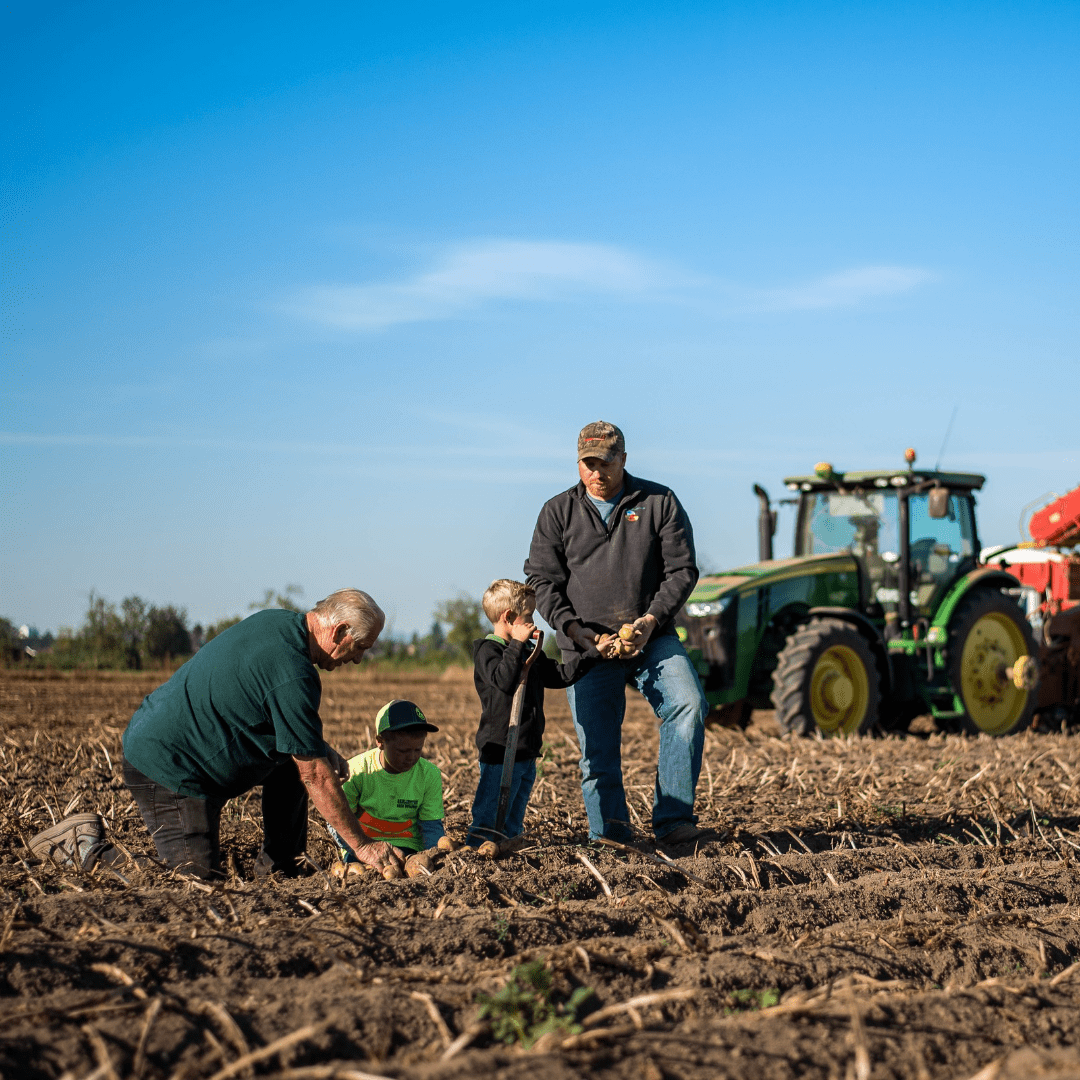
In 2024, Save Family Farming collaborated with Whatcom Family Farmers on a mini-documentary video that tells the emotional and compelling story of a multi-generation farm family losing their farm. Policies harmful to farms, such as water rights adjudication, water restrictions, and buffers, were among the issues causing the specialty potato farmers to quit. The video received over 600,000 views and resulted in a significant increase in active farm supporters.
Saving Family Farming today requires a combined and unified effort among farm groups, lobbyists, processors, farm-support businesses, individual farmers, and farm activists. Save Family Farming has played a unique and much-needed role in this team effort. By educating voters, challenging false accusations, and engaging with new and traditional media, Save Family Farming is making a substantial contribution to ensuring that Washington remains a state that welcomes and appreciates farmers today and into the future.