

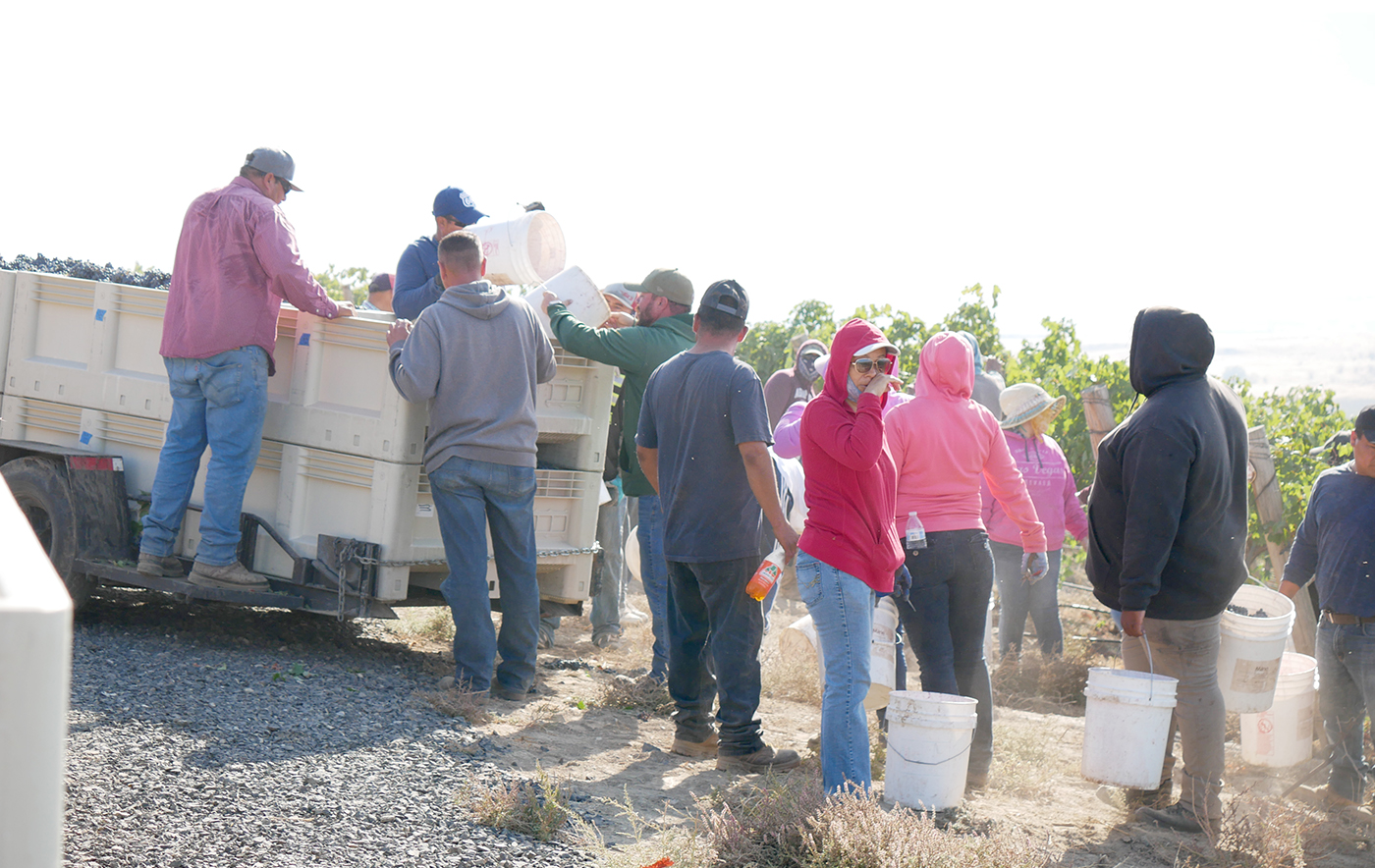
As farms across Washington state move into harvest season, the threat of disruptions and devastating losses caused by immigration enforcement activity is greater than ever, and farms need to be proactive and prepared to avoid unnecessary problems.
The biggest concern isn’t just the possibility of farmworkers being arrested, but about the widespread fear that scrutiny from immigration enforcement officials can create, and the harm that fear can cause.
It’s not just undocumented farmworkers who feel under threat.
Immigrant workers with green cards and visas are also deeply concerned that they may be incorrectly targeted and detained. Even if they’re eventually released, a detention can be devastating for their income, their families and their community.
Farm owners and managers also fear immigration enforcement activity, especially when they’re not sure what they’ll be asked or required to do, or what their rights are when federal agents come knocking.
The best way a farmer can help prevent a major problem that shuts down work during critical times is by knowing their rights, understanding and advocating for their workers’ rights, and having a well-crafted, clearly-communicated action plan for an immigration enforcement event that helps put everyone in the operation at ease.
The fear within the farming community is real, even if widespread farm raids haven’t happened, said Enrique Gastelum, CEO of the WA-based Worker And Farmer Labor Association (WAFLA), during a Save Family Farming video livestream May 28.
Gastelum said all it takes is one or two arrests to spark large disruptions, particularly in the small communities across the state where farms are harvesting crops.
“It’s like this isolated thing, but then it creates this ripple effect of emotion and concern and fear that then can start spreading across the community, where it can feel like, ‘Oh this just happened with this one worker at this one farm,’ but now it feels like it happened everywhere in Mesa, or everywhere in Royal City.”
During the 2025 cherry harvest, this exact phenomenon led workers to stay away from work at orchards and processing facilities on days when rumors spread of planned Immigration and Customs Enforcement (ICE) raids, leading to difficult situations and losses for farms and packing houses.
Not only do farmers and farmworkers need to know their rights, they also need to be trained on what to do if ICE shows up and ensure all of their documents are in order and easily accessible, said Gastelum, who was joined on the May 28 livestream by Eamonn Roach, a top Washington immigration attorney and partner at Roach & Bishop, LLP in Pasco.
“Anybody that is physically inside of the United States, the Constitution applies to them,” said Roach. Regardless of citizenship, employment position, or immigration status, people in the United States are protected by the Constitution and, in particular, the first 10 amendments to safeguard their personal and professional rights.
Both Roach and Gastelum listed several steps farmers can take to prepare, including developing an action plan, knowing the rights that govern what agents can and can’t do when visiting a workplace, auditing internal paperwork to identify and resolve problems before enforcement activity occurs, and following the human resources regulations that dictate how farm leadership communicates with employees about these issues.
Farms may need the legal assistance of an immigration attorney as a part of this planning process, but Roach urges caution when hiring an attorney.
“There’s a lot of immigration attorneys, and you’ve got to make sure you have an immigration attorney you can trust,” Roach said, noting a recent debacle surrounding an immigration attorney that misled immigrant clients. Gastelum echoed that concern, and said he’s also heard of farmers that have been misled by less-than-ethical attorneys.
Preparation is no longer optional. Having a plan in place before enforcement activity occurs can help protect workers, reduce confusion, and prevent unnecessary disruptions during some of the most critical weeks of the growing season.